Last week I taught an herb and spice alchemy class at
Preparing Wisely in Mesa, Arizona and promised to share a few of the things I would be teaching my students during the class here on the blog for the people around the world who obviously couldn't attend. It was pretty comprehensive and full of great recipes on matching spices and herbs to complement ethnic flavors. If you want to read more about those recipes go
here. The other side of the class was the whole medicinal use of culinary herbs in food.
I think a lot of times this "herb and spice" side of eating is completely misunderstood as just perhaps a "flavoring". Adding herbs and spices traditionally was not only for flavor, but also for health. I hope today I can share some of the bare basic homeopathic uses for some of the most common culinary spices and herbs. These are probably remedies your great grandmother used long before there were modern medicines. None of these statements have been reviewed by the FDA. FYI. That's not saying that they don't work, it's just saying they are not tested yet.
For general information, I store my spices whole and grind them fresh so I don't lose any of the essential oils or nutritional value of the spices. I keep them in a cool dark place in non-porous glass containers. I also grow my own herbs organically in my garden. The pictures you see, are all my own. Seriously, these are the short descriptions. This is also a short list. There are many herb and spices not listed. There are long books on this subject so I'm just scratching the surface here. Shall we begin then? We'll start with Spices, the seeds and barks of edible aromatic plants. Then we'll move on to the herbs (leaves, stems and flowers).
Spices
Allspice. It is a sweet spice generally used in cakes, cookies and desserts.
The natural oil is used topically as a pain reliever and the powder is an antioxidant with what is believed to be antic-cancer action.
Cardamom seed— A sweet spice with lemon notes. I use it often when I mill my flour. It adds a light fresh taste to pastry and cakes. It is also used in many Indian dishes. Medicinally it is favored as a carminative to ease digestive gas, cramping and flatulence.
Clove--Sweet Spice used in desserts and in some sauces. Medicinally— essential oil used as an aromatic and pain suppressant (I used it sparingly on teething baby and it worked) , antiseptic, powder to alleviate vomiting (antispasmodic)
Nutmeg--Sweet spice used in cakes, pastries, and some sauces. Medicinally used as an —antispasmodic, anti-inflammatory, digestive aid, gastric stimulant, prevent vomiting, and help boost appetite.
Cinnamon--Sweet Spice used in desserts, cakes, pastries and teas. Medicinally used as a digestive aid , antiseptic, uterine stimulant (cramps), help regulate blood sugar levels in diabetics.
Dill Seed---from the dill weed plant Weee! This actually happened in my garden folks. I loved seeing the dill go to seed. Licorice notes used in pickles, sauces and many ethnic dishes. Medicinally the seeds are used mashed and then infused for stomach ills, colic, diarrhea, anti-bacteria, and a carminative. I actually used mashed dill seed infused in a tea and then strained and cooled for my colic babies and it helped immensely.
Fennel seed used in sweet cakes and savory applications like fennel sausage with a pronounced licorice note. Medicinally it is used for colic,as a digestive aid, to normalize appetite, as a liver cleanser, to reduce uric acid and to soothes gout.
Coriander Seed used ground in Spanish, Indian and Oriental cooking with heavy lemon notes. It is the seed that produced the fresh herb cilantro!—Medicinally it is used for it's properties as an antioxidant, anti-inflammatory, anti-bacterial, digestive aid, colic, joint pain reliever.
This is my cilantro that went to seed. Yes folks. I did grow my own coriander this year too! How cool is that?
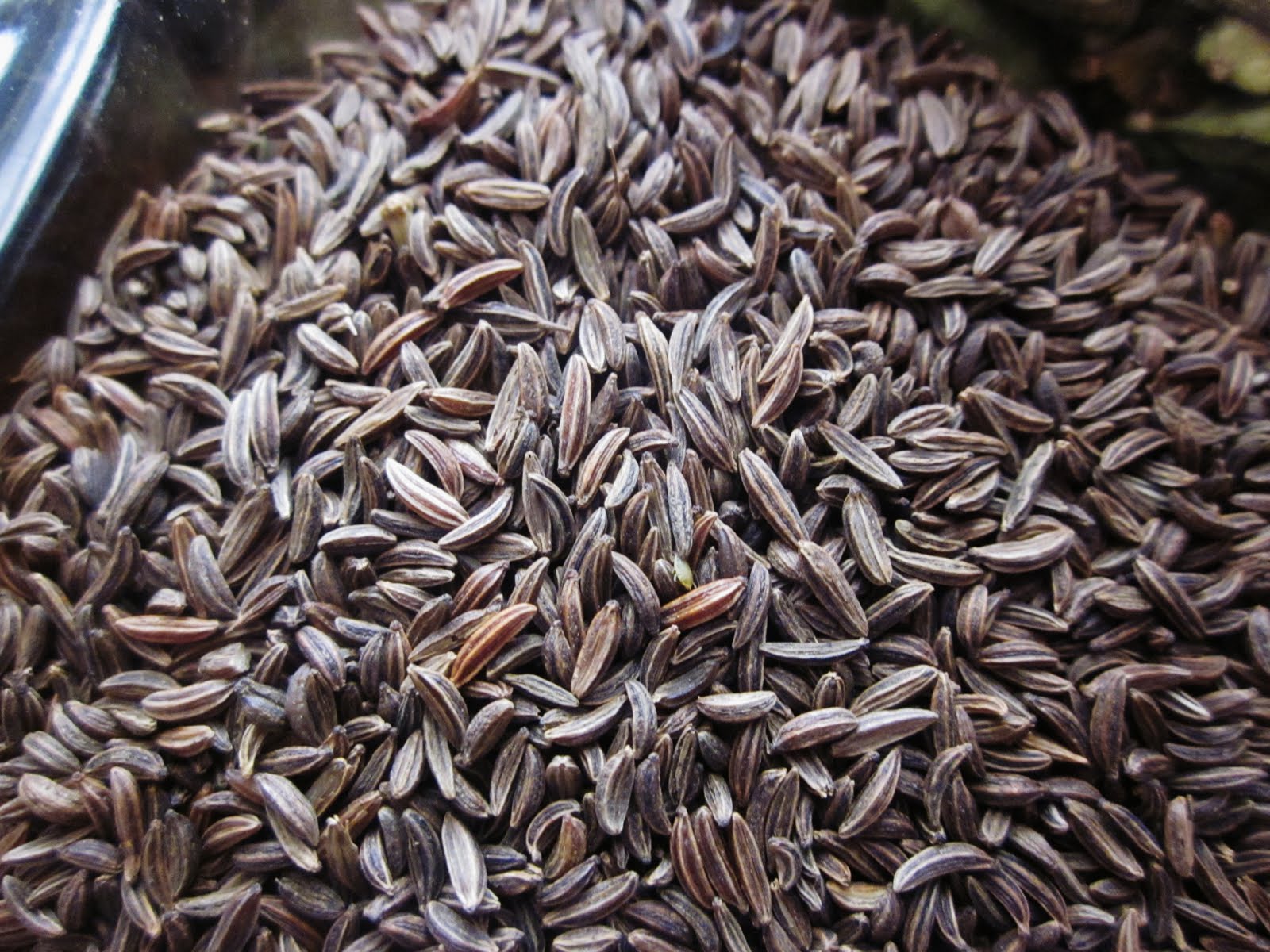
Caraway seed gives rye bread it's distinct flavor and is also often used in sauerkraut. Medicinally it is a stimulating expectorant for congestion, antispasmodic, digestive stimulant, and the oil is an antiseptic.
Black Pepper is used ground in savory dishes and breads. Medicinally it's used for coughs, heartburn and indigestion, toothache and canker sores.
Cumin seeds used ground. When you smell it you'll think, "Mexican food". Medicinally they are good carminatives which help to relieve abdominal distension. It helps to digest food and improve peristalsis. Another use which is very rarely known is that it helps to minimize the abdominal pain during menstrual periods when consumed for 2 weeks prior to the date of menstruation. It is good to consume with warm water. Read more: here
Herbs
Tarragon is used in sauces and breads most often in French cooking. I think it's one of the Kings of herbs. I can't list all it's medical uses but it's often used as a diuretic, antidepressant, to promote appetite, fight fatigue, calm nerves, and has been used to aid sleep as a mild sedative. Read more about it
here.
Rosemary is used in sauces, soups and teas. Most often in Italian and Greek cooking but also French. It couples great with chicken and is often one of the first ingredients in poultry seasoning (or chicken soup). It is used medicinally antispasmodic, relaxant, stimulant to circulation and nerves, cardiac tonic.
Thyme used in sauces, soups and poultry
. Medicinally it's used as a
uterine stimulant, antiseptic, expectorant, diuretic, antibiotic, astringent
Dill used for salads and in Greek and French cooking. It also makes the most amazing
Cottage Dill Bread. Medicinally it's used for stomach ills, colic, diarrhea, anti-bacteria, and a carminative.
Oregano used in sauces, soups and salads most often in Italian, French, and Mexican dishes.
Medicinally:
To soothe colic, make a tea, leave to cool, then strain the herb to leave a clear liquid. Feed the baby a little
at a time. Try the same preparation for to relieve coughs in adults. Additionally, prevent or relieve a heavy chest by eating lots of oregano at key times. Hay fever sufferers may find some relief by sprinkling the dried herb on salads, whilst eating oregano in winter dishes can help loosen phlegm during the long months of the common cold.
I use Oil of Oregano in my olive oil for dressings and also as a supplement in gel caps.It is one of the strongest and most effective broad spectrum antibiotics known to man. It is natural and safe to use. It will not create more mutant strains of bacteria. It effectively kills bacteria of every variety using only tiny amounts. It is also effective against fungus, parasites and viruses. More on that to come but I'm seriously happy I won these
Essential Oils from Joni Lang during a Giveaway at
Identity magazine. I'm so blessed that I have been able to use them! More to come on these.
is used fresh to impart new life and flavor to dry herbs (add at the end of cooking just before serving). Fresh parsley is loaded with LIFE! Medicinally it is used for—Kidney and bladder problems, anticancer properties, antioxidants, stimulate the nervous system, adrenals, and liver function. It's also good for killing bad breath...but that's just a side note.
Basil most famously used in pesto and Italian cooking but also used in French and Oriental cooking.
Medicinally it is used as an antiseptic and antidepressant. It restores and calms.
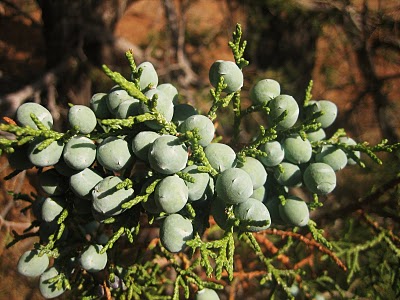
Juniper Berries used in mulling spices, pickling spices and some savory spice blends.
Probably most famous from my post on using
Pine Cones for Dinner! ha! This is what they look like on the tree. When they dry they will be a deep almost black purple. Medicinally they help with a kidney cleanse, removing blood toxins, destroying fungi, improving the optic nerves, brain function, easing colic
and easing digestion.
I did a great post on the Edible Flowers of the Sonora Desert. Edible flowers are also in the "herb" category and have to share my two favorites. I use them often as a hint of flavor but many don't realize that I am also using them relax and sooth my guests. I'm most famous for using my lavender and rose petal in my
Wise Woman of the East Spice Blend to add sophistication and vintage charm to pastries and desserts. It's used anywhere one would use cinnamon. Seriously though...it's also a nerve tonic. It will make you happy. See...and you thought it just tasted good.
BE sure you use FOOD GRADE flowers only. Many of the "craft store" branded flowers have been treated with chemicals that are harmful for human consumption. If you don't grow your own I've been know to get mine at
Penzey' or a local health food store that carries herbs called
The Good Apple.
Lavender flowers used aromatically and also ground in desserts and some French cooking. I adore it in
Tapioca. Medicinally it is used as a relaxant, antispasmodic, circulatory stimulant, diuretic, nerve tonic, uterine stimulant.
Rose Petal used in desserts, frostings and aromatherapy. Medicinally used as an antidepressant, calming sedative, digestive aid , aniti-inflamitory, and anti-viral agent.
Like I said before, this isn't a complete list, not even by a long shot. I do hope however that it has given you some good ammunition when facing herbs and spices in the homeopathic world. It's really quite exciting to think that those amazing flavors can actually help heal and bless the lives of those you love. It's not just food...it's a whole healing art.
There you go.